
Not all infrastructure projects to be built

Not all of the R3.2-trillion of infrastructure projects under consideration would be built, says the National Treasury in its 2012 Budget Review
PPC/F&S note caution amid fragile recovery
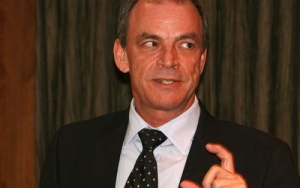
PPC CEO Paul Stuiver says that the group is concerned about the outlook for cement demand in the second half amid an uncertain economic recovery.
Projects put Afrimat on road to higher earnings
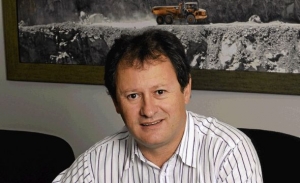
Construction materials supplier Afrimat expects earnings and headline earnings per share to be 20%-30% higher for the year to February as a result of lower costs.
O-Line turns in strong figures

O-Line Holdings reported a strong performance for its interim period, boosted by a boom in investment in infrastructure projects in SA and Africa.
No power-saving penalties for 2010 stadiums, Gautrain

Nersa says it has excluded the construction of stadiums for the 2010 World Cup and Gautrain from penalties that are part of the power conservation programme.
What has happened to building costs?

The FNB CPF Commercial Property Building Cost Index, constructed by Industry insight, has seen slowing growth over the past 18 months, but this slowdown is expected to be a temporary reprieve for the construction industry.
 Good old scarcity is accounting for much of the pricing pressure which developers are encountering. Demand for commercial space is outstripping supply and developers are hard pressed to bring new projects on stream.
“What we have noticed,” states Neno Haasbroek, CEO of Sycom Property Fund, “is that there has been some improvement in the pricing on smaller jobs – those in the R20m region – but for the larger projects – the R500m or R1bn developments – it is hard to find competitive pricing.” The large construction companies have their hands full with the infrastructure projects under way in South Africa and this is likely to continue over the coming years.
Some impact from the higher interest rates is filtering through, but the underlying trend of too little supply to satisfy the growing demand means that costs are expected to see building inflation turning up again.
Although the cost of materials is rising – cement, for example, is currently being imported –contractors and service providers are raising their rates at well above inflation levels. With significant expenditure on infrastructure (such as the World Cup Stadiums, Gautrain and the Coega industrial development zone) competing with commercial developers for resources, there is likely to be renewed pressure on building costs in the years ahead.
Pity the developer outside the main metropolitan areas. If there is a large project, which cannot be handled by local contractors, they will be pushed to find anyone to deal with the development. “Even if they can get a contractor,” notes Haasbroek, “the quotes are likely to be rather uncompetitive.”
For an investor in PUTs, this represents encouraging news. “With costs escalating at present rates,” says Craig Hallowes, spokesperson for the Association of Property Unit Trusts (APUT), “rentals for existing properties will be rising as they come up for renewal.”
Haasbroek gives an example: “We can’t bring a new office block on line in Sandton for under R120/m2 at present. Although I don’t think that we are yet at the point where rentals will be running at replacement cost, if the rent is currently R70/m2 or R80/m2, then I think that you can expect a 20% rise when renegotiation takes place. This is more of an issue than it has ever been before.”
In the past, the lead time to bring an office block on stream was about 12 months, while land was readily available and rezoning took place rapidly. This meant that supply could respond to increases in demand relatively rapidly. Now, however, councils have tightened up markedly on rezoning. Add to that building cost inflation and it is easy to see that supply is no longer as flexible as it was historically.
In the case of retail developments, a higher number of subcontractors are used for specialist items such as glass and aluminium. This is placing additional strain on retail developments as the specialists are notably scarce at the moment.
State plans duty cuts on infrastructure projects

The government is considering reducing import duties on products needed for its infrastructure development programme, ostensibly to reduce cost pressures as the R400bn programme gathers pace
Just don't drop those bricks
Large projects are driving up share prices. But will they all be completed? The construction industry has spawned more listings this year than any other sector
Five new bridges completed at Century City

Major new infrastructure projects including the construction of five bridges have been completed at Century City at a cost of R60m in recent months.
Building stocks hit the roof as infrastructure boom beckons

SHARES in the construction sector have soared over the past two months, buoyed by foreign investor optimism on the prospects for SA’s infrastructure development.

eProperty News is a leading online commercial property marketplace serving the Southern African Investment, Office, Retail and Industrial property and allied sectors.