
Pinnacle Point Lagos Keys project folds

Pinnacle Point Group cannot raise funds to develop its Lagos Keys project in Nigeria, whose value is estimated to be R398m
Pinnacle Point Lagos Keys project folds
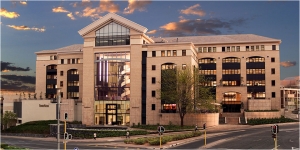
Financially troubled property company Pinnacle Point Group will have its Lagos Keys project in Nigeria, terminated as it cannot raise funds to develop the venture.
Namibian retail sector offers relative shelter

Namibian retail has been largely sheltered from the prevailing tough trading conditions which have impacted the retail sector in South Africa and globally, explains retail leasing director, Dave Bennie of leading African property company Broll
Weaving all the elements

The upgraded World Cup football stadiums are ventures with little chance of balancing their R17bn costs once the buzz of the vuvuzelas has stilled, says Carol Weaving.
Sephaku in funding agreement with Dangote

Sephaku Holdings has announced that a heads of agreement has been signed with Dangote in relation to the funding of a cement project held by its 80.2%-held subsidiary, Sephaku Cement.
SA to be the racetrack of African kings

African countries could soon have their race horses galloping in Plettenberg Bay, that's if Africa Race Estate is allowed to develop a R1.3bn track, pavilion, a five-star hotel and village in the area.
Hurdles for institutions to invest in Nigeria

Institutions looking to invest in property in Nigeria face numerous hurdles, but perseverance, strict due diligence and an intimate knowledge of the idiosyncrasies of the property environment can lead to a measure of success.
Property in Nigeria: Standard Bank in for a long haul

Institutions looking to invest in property in Nigeria face numerous hurdles, but perseverance, strict due diligence and an intimate knowledge of the idiosyncrasies of the property environment can lead to a measure of success
Rezidor group expands African hotel into Nigeria
The Rezidor Hotel Group is expanding further into Africa, with three more hotels planned in Nigeria in addition to planned hotels in three other African countries, the group said yesterday.
Nigeria-SA deal for cement plant in North West

NIGERIA's leading cement and building materials firm, Dangote Cement, and Sephaku Cement, have signed a shareholders agreement paving the way for the start of a R3bn project to build a cement plant in North West.
 The agreement, announced on Friday, is the second leg of Dangote’s strategy to enter the highly lucrative South African market, following its acquisition of a 19,8% stake through a private placement in Sephaku Cement in April. The Nigerian firm hopes to increase its stake to 45% eventually.
The partners said they now had the operational framework to kick-start the project, which they billed as the first black-owned cement plant in SA. It would have an annual capacity of
2,2-million tons. They said talks were being held with technical partners before construction started.
Sephaku Cement is a subsidiary of black economic empowerment- controlled Sephaku Holdings, which has interests in the mineral sector. Dangote Cement is part of Nigeria’s largest diversified group, Dangote Industries, and also has operations in Benin, Ghana, Senegal and SA. The company said it aimed to be a multinational corporation and was eyeing at least 10 more African countries.
The two partners said the South African plant would be the largest single-line cement plant in the country.
Construction would begin in January and the first cement should be ready for delivery by the end of 2010.
Sephaku Holdings, as the majority shareholder in Sephaku Cement with a 55% stake, would provide the majority of the management team, and was finalising debt funding needed to finance the project.
Demand for cement in SA is set to continue to rise due to a slew of billion rand construction projects, among them the government's road-building programme, privately owned shopping complexes, and infrastructure and stadiums to meet the influx of visitors for the 2010 Soccer World Cup.
Analysts say despite the lull in housing construction in response to tightening credit conditions and waning demand as cash-strapped consumers prefer to rent, construction firms such as Group 5 and Murrary & Roberts have full order books that should keep them busy beyond 2010.
Dangote Cement CEO Tony Hadley said the joint venture was a key part of his group's pan-African expansion programme and provided direct access to the large South African market.
“We are delighted to be announcing that the joint venture is moving ahead smoothly and look forward to beginning the construction process,” he said.
“Dangote Cement is set to achieve 26-million tons of production capacity in Nigeria by 2010 and 50-million tons of production capacity overall by 2012.”
Sephaku Holdings chairman Lelau Mohuba said his group had a broader vision to become a major player in the local economy and across Africa.
He said the new plant was the first black-owned plant in SA and marked a “critical milestone (for the group) which was growing from exploration to development".
Sephaku Cement CEO Pieter Fourie said despite a slowdown in demand for cement since record levels achieved last year, the medium- to long-term forecast showed significant growth opportunities in the local market.

eProperty News is a leading online commercial property marketplace serving the Southern African Investment, Office, Retail and Industrial property and allied sectors.