
Hyprop buys 31.3% stake in Sycom for R1.24bn
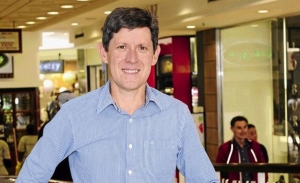
Leading listed retail property fund Hyprop Investments has expanded its investment portfolio with the acquisition of approximately 31,3% of listed property unit trust Sycom Property Fund (“Sycom”) for R1,24 billion
Construction caught in a demand, supply dilemma

Building material costs have risen sharply again in the second quarter of 2007 — industry experts said demand for commercial space was outstripping supply — and developers are having difficulty bringing new projects on stream.
 Building costs in the second quarter of 2007 rose by 29%. The index reflects the average building cost per square metre priced by building contractors.
It contains a combination of input costs and pricing which varies due to market conditions.
Retail property showed an increase in building costs of 39.5% in the second quarter — the latest available figures; office space by 26.2% and industrial space 13.9%.
Large construction companies are operating at full capacity with the World Cup stadiums, the Gautrain and the Coega development zone taking up all their activities. Some impact from higher interest rates is also filtering through and a shortage of materials is likely to continue for some years.
While the cost of materials is rising — cement is now being imported — contractors and service providers are increasing their rates at well above inflation levels and there is likely to be renewed pressure on building costs.
“With costs escalating at present rates, rentals for existing properties will be rising as they come up for renewal, said Craig Hallowes, the Association of Property Unit Trusts spokesperson. “We can’t bring a new office block on line in Sandton for under R120/m². Although I don’t think that we are yet at the point where rentals will be running at replacement cost, if the rent is currently R70/m² or R80/m², then I think that you can expect a 20% rise when renegotiation takes place. ”
In the past it would take about 12 months to construct an office block when property was available and rezoning took place quickly, but municipal councils have tightened up on rezoning applications.
In the case of retail developments, a larger number of sub-contractors are being used for items such as glass and aluminium and these specialists are in short supply.
In a twist to the rising building material costs, the Competition Commission has indicated that it will look at the building and construction sectors to assess if there are any anti-competitive practices — as well as bid-rigging, where rival companies decide beforehand which of them will win a tender.
Nedbank Provides Funding For Upgrade of Hatfield, Pretoria
Nedbank Corporate Property Finance has provided R190 million funding for the revitalisation of the Hatfield metropolitan node
RMB looks north

RMB Properties’ property development division has initiated developments in some of SA’s neighbouring countries.
Q1 07 commercial building cost inflation slows

Commercial building cost inflation slowed to 16% year-on-year by the first quarter of the year, from a peak of 37% in the third quarter of 2005, the FNB Commercial Property Finance Residential Building Cost Index showed on Thursday.
The index reflects the average building cost per square metre, as priced by building contractors when winning tenders.
As such, it reflects the combination of contractors' input costs, their own pricing power which varies over time due to market conditions, and the standard of the property developments in question.
The mild decline in building cost inflation in the commercial property sector should perhaps not be too surprising. Interest rates have been rising, and according to the Investment Property Databank (IPD), 2006 saw a mild decline in total commercial property returns from a peak of 30.1% in 2005 to 26.7%, said John Loos, FNB's property strategist.
"This may well have exerted some mild downward pressure on the growth in pricing power of contractors," he said.
Moving into the sub-sectors of commercial property, the relative building cost inflation rates of the industrial, office and retail property sectors at present appear somewhat related to the relative strength of these property sub-sectors, he said.
Industrial property, the place where all the action is, showed first quarter year-on-year building cost inflation of 40.8%.
This sector has shown a steady surge in building completions in recent times, has very low vacancy rates and according to the IPD showed the highest total return of the sub-sectors in 2006 to the tune of 31.1%.
The sector overtook the retail property sector as the star performer back in 2005, Loos said.
Retail building cost inflation has tapered off for some time, but still showed a respectable 17% year-on-year inflation rate in the first quarter.
"This sub-sector is believed to be leading the commercial property cycle, and although total returns for retail property were estimated at a still-healthy 27.4%, it is believed that there will be further decline this year and next on the back of a slowing consumer demand growth rate," according to Loos.
He noted that office space building cost inflation slowed to a mere 1.1% year-on-year in the first quarter.
"The office sector is the laggard in the commercial property cycle, and continues to surprise on the downside. Vacancy rates have been declining for some years, and on a national basis (The South African Property Owners Association) estimates of A and B-grade office vacancies are just above 5%," he said.
However, returns are the lowest of the 3 major sub-sectors at 24.5% in 2006, and building activity has not yet surged, as one would anticipate it to do in the near future, Loos said.
Shopping centres to serve black, rural areas

Two new shopping centres valued at R95m each are being opened in Kabokweni, in White River, and in Nquthu, in KwaZulu-Natal.
Low gearing sets up blue-chip to expand
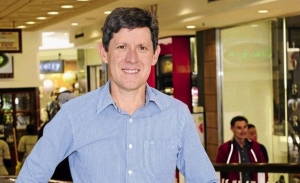
Big challenge is to find suitable properties
Nedbank, Masangita Open New Mall in Giyani, Limpopo
Masingita Mall, the new mall in the Limpopo Province town of Giyani, commenced trading today.
Property Fund's distribution growth almost 20%

A buoyant retail property market helped listed property loan stock company Resilient Property Income Fund's distribution growth soar 19,87% to 63,20c for the year to December.
SA Retail Boosting Assets In Under-Serviced Areas

A R43,3 million acquisition of a one-year-old Durban retail development is set to boost the share of SA Retail Properties Ltd assets in previously under-developed communities to more than 10%.

eProperty News is a leading online commercial property marketplace serving the Southern African Investment, Office, Retail and Industrial property and allied sectors.