
Stefanutti wins Kusile contract

Stefanutti Stocks said that a consortium of JSE-listed companies it was leading had won a civil works contract for Eskom’s Kusile power station in Mpumalanga.
Aveng disappointed as Eskom ditches nuclear plans
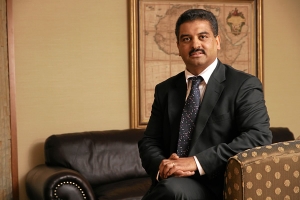
South African construction firm Aveng is disappointed by power utility Eskom's decision to abandon its nuclear project, its chief said.
Freight infrastructure 'lags behind mine needs'

Freight infrasturcture has not kept pace with development of new mines in rural areas.
Rosy revenue outlook for bigger Buildmax
BUILDMAX, a supplier to the mining and construction industries, has set itself the ambitious targets of raising turnover 15-fold in the present financial year. As if to underline this, its share climbed more than 6% yesterday.
 The R111,5m revenue the group made in the year to February is minuscule compared with the R1,7bn it expects to make this year.
However, the recent results do not take into account two major acquisitions the group made between December and March, which are expected to enhance an enlarged Buildmax’s earnings.
The group spent about R1,5bn to acquire equipment and services supplier Buildco and Diesel Power Open Cast Mining, strengthening its position in the both the mining (especially coal mining) and the construction sectors.
These are both high-growth sectors, given the increased demand for coal by Eskom, as well as billions of rands being spent by both the government and private sector on infrastructure projects.
The group has also projected an after tax profit of just above R200m, making it a competitor in its sector.
CEO Paul de Klerk said the group’s equipment and services division would do even better than expected because it was already dealing with huge demand.
The prospects look rosy.
Listed Property environment suits bank funding

The impact of the global credit crisis on South African listed property companies’ access to finance has been minor, explains Managing Director of Nedbank Corporate Property Finance Frank Berkeley
Infrastructure will be ready by 2010 - Radebe

Transport Minister Jeff Radebe has brushed off concerns about the effect of a power shortage on SA’s readiness for the Soccer World Cup, saying that transport preparations were progressing well.
Smelter could be delayed by 4 years
The R21-billion Rio Tinto Alcan aluminium smelter, which was scheduled to break ground at Coega in the second half of this year, could be delayed by as much as four years due to the area‘s current power shortages.
Stofile pitches into reports on PE‘s World Cup stadium lagging behind schedule

Sport and Recreation minister has criticised reports that Nelson Mandela Bay was behind schedule with the building of its 2010 soccer World Cup stadium
Civil engineering powers ahead

While the residential and nonresidential construction market is heading for slow growth this year because of higher interest rates, the civil construction sector is expected to grow 33%.
Local construction companies stand to benefit from the boom that is expected to carry on until at least 2015, influenced largely by governmental infrastructure spending of R560bn over the next three years.
Coupled with this is Eskom’s R1-trillion budget to build power stations, Transnet’s building of railway lines, ports and fuel pipelines, and private sector expansion programmes.
Strong demand and rising commodity prices are also driving expansion in the mining sector, which will benefit the construction sector.
According to Reserve Bank data, the value of construction works reached an estimated R46bn last year, a 32% increase in real terms from R34,7bn in 2006.
South African Federation of Civil Engineering Contractors (Safcec) economist Pierre Blaauw says the estimate is an annualised figure, with the final number due at the end of this month. “Turnover this high was last seen during the construction boom in the 1970s, when the industry recorded a figure breaching the R40bn mark for the first time,” Blaauw says.
“Safcec’s numbers indicate growth between 25% and 30% for the civil engineering industry alone last year.”
He says the good news is that spending on the government's R560bn infrastructure budget started only last year and that this year and next should see further growth for the industry.
“We expect a 13%-16% increase in civil engineering industry turnover this year. It may sound small compared to last year’s record number, but this comes off a higher base,” he says.
Despite challenging macro economic conditions, infrastructure spending is steaming ahead, which bodes well for the industry, which has experienced 80% growth in turnover since 2004.
Blaauw says infrastructure spending is a prerequisite to maintain economic growth.
Blaauw says the biggest challenge the civil engineering industry will face this year will be capacity constraints. Companies will need to increase their capacity by acquiring new capital assets, locating and securing the necessary skills, buying up smaller firms, and expanding their education and training budgets.
Most big construction companies are already at work on projects such as the Gautrain, stadiums, and upgrading of airports and ports.
The likes of Murray & Roberts, Aveng and Group Five are either part of infrastructure development programmes or are bidding with international groups to build power stations and big projects.
Cadiz African Harvest portfolio manager Rajay Ambekar says gross fixed capital formation had peaked at about 30% in 1976 but has since been coming down to the current 15% of gross domestic product (GDP). “The target is 25% of GDP,” Ambekar says.
International construction companies are partnering with local companies that are unable to cope with the load and lack expertise, especially for big projects. “No South African company can build a power station on its own. A lot of civil construction would be done by local companies while technical expertise is brought by international companies,” Ambekar says.
However, he says there is a risk of delays that are outside companies’ control, which could be costly. Blaauw agrees, saying there will be more supply-side constraints than demand-side constraints.
According to Statistics SA, the construction industry showed the biggest jump of all economic sectors in acquiring capital assets from 2005 to 2006, recording a 73% increase. Salaries and wages rose 16,6%. Blaauw says it is likely the industry will have doubled in size between 2004 and next year. .
In 2006 there were four large international construction firms registered with the Construction Industry Development Board, rising to 11 last year.
“We are likely to see a further increase in competition from abroad over the next two to three years, as well as from smaller companies growing into larger firms able to compete for bigger contracts.”
New projects to be delayed by six months – Eskom
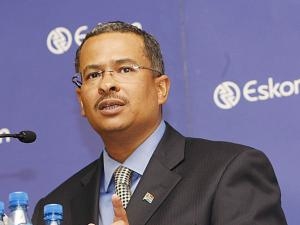
State-owned power utility on Wednesday moved to clear the confusion it had created, confirming that it would delay new projects requiring more than 100 kVA for up to six months

eProperty News is a leading online commercial property marketplace serving the Southern African Investment, Office, Retail and Industrial property and allied sectors.